You're Not Eating Food.
You're Eating Weed Killer.
100 groceries in your kitchen contain a chemical the WHO classifies as a probable carcinogen. Here's what to buy instead.
See the List100 groceries in your kitchen contain a chemical the WHO classifies as a probable carcinogen. Here's what to buy instead.
See the ListThe WHO's International Agency for Research on Cancer (IARC) classifies glyphosate — the world's most widely used weed killer — as a Group 2A probable human carcinogen. It shows up in common pantry staples at levels that surprise even seasoned health researchers.
100 products ranked by glyphosate contamination. All 100 are in independent lab tests — click any row to find a clean alternative.
The EWG's child-safe benchmark of 160 ppb is the level they recommend children not exceed in regular food exposure. Any product at or above this has exceeded that threshold. Over 40 products on this list do.
More organizations are testing more products every year. EWG, Mamavation, Moms Across America, Florida Dept. of Health, and US PIRG have all released data since 2018. Each new test adds more rows — and more reasons to check your pantry.
| # ▲ | Product ▲ | Glyphosate ▲ | Category ▲ | Clean Alternative |
|---|
New contamination data drops every month.
Over 100 pantry staples. One probable carcinogen. The list grows — and so does the science.
The science is settled. The question is what you do about it.
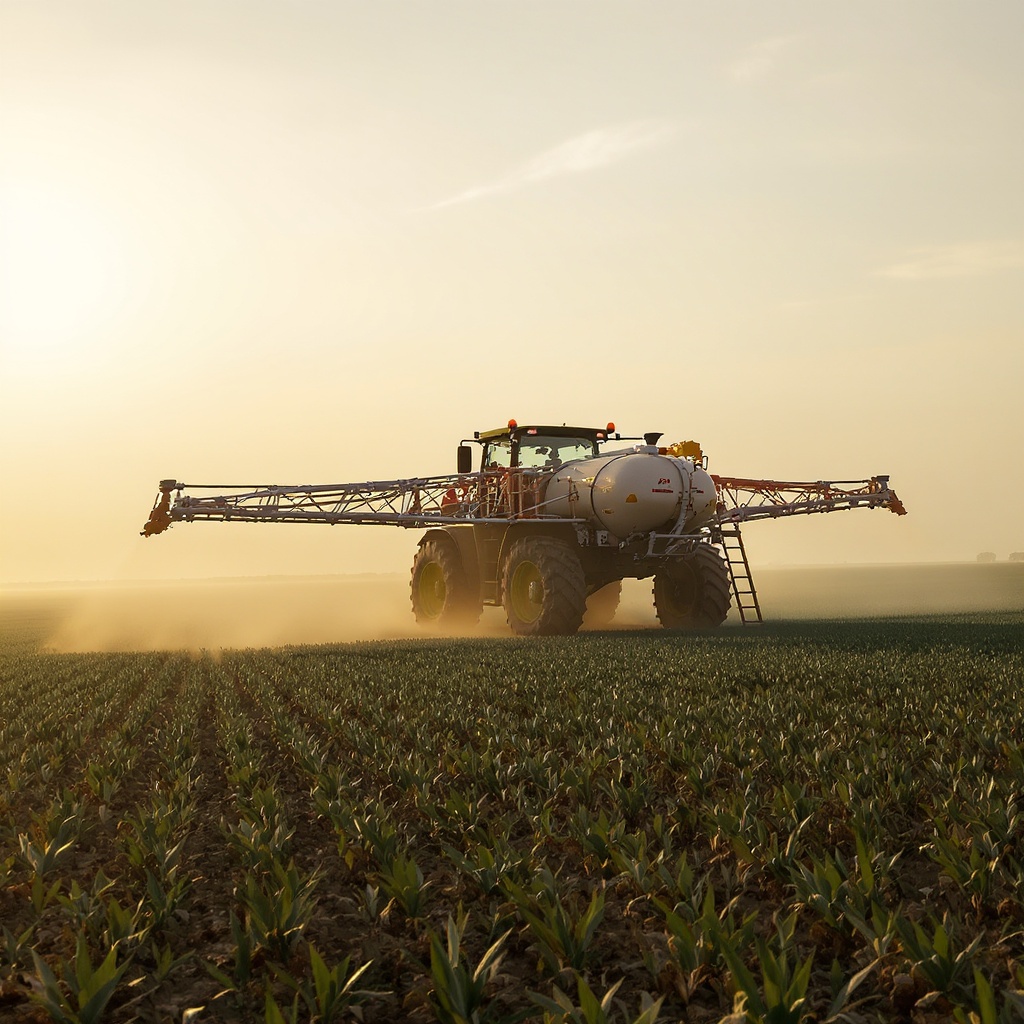
Glyphosate is the active ingredient in the world's best-selling weed killer. Introduced in 1974, its use exploded after the introduction of genetically engineered "Roundup Ready" crops that tolerate direct spraying.
In 2015, the WHO's IARC classified glyphosate as a Group 2A probable human carcinogen — putting it in the same category as night shift work and anabolic steroids. More than $11 billion in lawsuits have been brought against its manufacturer, with juries finding it contributed to cancer in multiple cases.
The US EPA still permits residue levels that critics say ignore the latest science. ClearPantry exists so you don't have to be a toxicologist to protect your family.
Glyphosate is sprayed on crops as a weed killer during the growing season. It's also used as a desiccant — sprayed on crops right before harvest to dry them evenly, a practice common in wheat, barley, oats, lentils, and chickpeas.
Organic certification prohibits glyphosate use, so organic products are significantly lower risk. Look for both "certified organic" and "glyphosate-free certified" for maximum assurance.
Many scientists argue the EPA's allowable limits are too high. The cleanest approach: choose products certified glyphosate-free, which have had independent lab testing confirming no detectable residue.
ClearPantry is straightforward. We show you what independent lab tests found in grocery products and point you to tested clean alternatives. We don't have a political agenda beyond your right to know what's in your food.